Recycling in Yerevan

Green Green Ecocenter

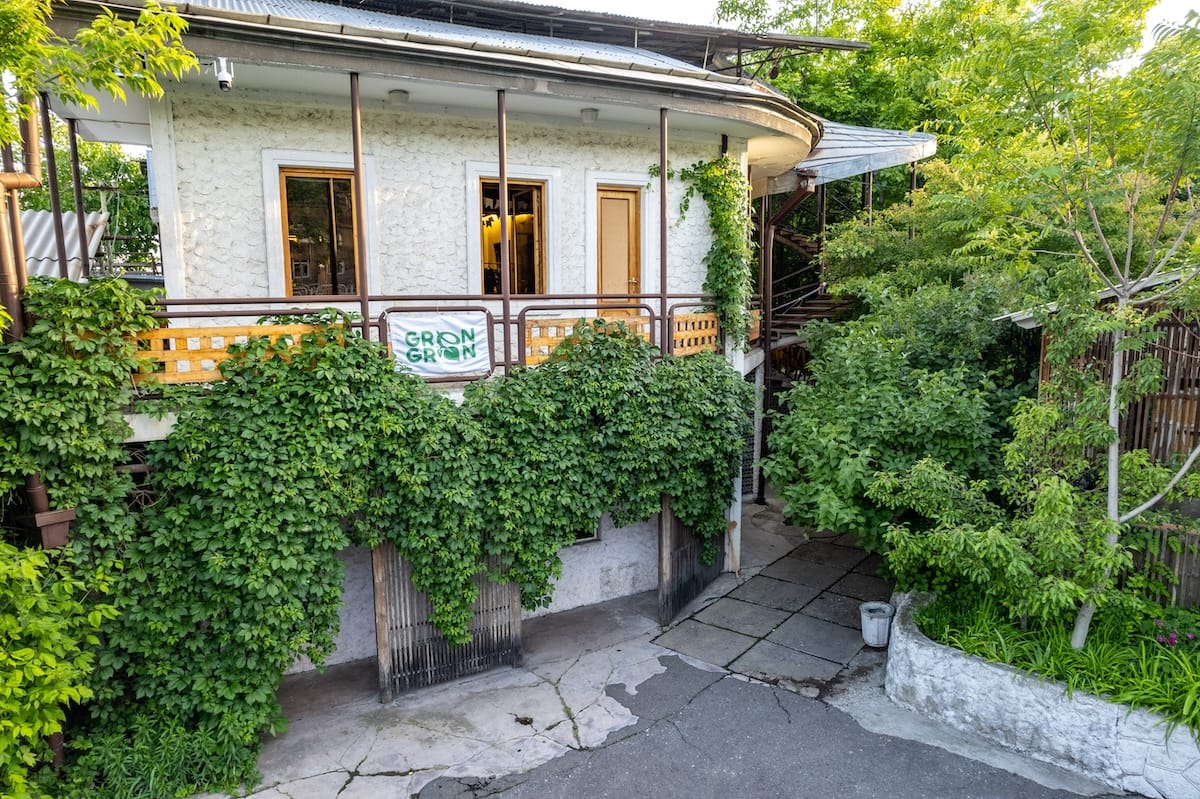
Green Green Ecocenter is an open community space in Victory Park, next to Lake Arevik.

Plastic, glass, paper and other materials can be dropped off here for recycling. The ecocenter's volunteers can explain which materials are accepted and how to sort and prepare them for drop-off. Visitors can also swap clothes, books and household items, see products made from used materials and find reusable alternatives to single-use items.

The ecocenter hosts lectures, workshops, film screenings and meetups.

Guided tours and environmental lessons are available for organized groups from educational institutions, companies and other organizations. Group organizers can find out more and arrange a visit through the ecocenter's Telegram bot.

Visitors are also welcome to read, work on a laptop, chat or relax. Entry to the ecocenter is free.
Bringing items for reuse

Only clean items in good condition are accepted for reuse. Visitors must wait while the items are checked on site. Items that are not accepted are returned to the visitor and must be taken away.

Items may only be left after the volunteers have checked and accepted them. Bags of items or waste must not be left at the entrance.

Batteries and rechargeable batteries are not accepted at the Ecocenter. Where to take them.

Hard plastic

Hard plastic

OK

  • 1/PET Bottles
    Bottles from beverages, dairy products, and sunflower oil. Recognizable by the raised dot on the bottom.
  • Hard 2/HDPE/PE
    Packaging for household chemicals, cosmetics, canisters, drinking yoghurt bottles, bags with handles.
  • Hard 4/LDPE/LE-LD
    Bottles, flacons, canisters from household chemicals, motor oil, cosmetics, and beverages marked with 4/LDPE.
  • Hard 5/PP
    Cups for sour cream or yogurt and other food products, disposable tableware, drinking straws, cutting boards, containers, boxes, basins, buckets, toys.

NOT OK

  • Dirty plastic
    Plastic with food, drink, oil, or household chemical residues. This plastic must be rinsed before recycling.
  • Degraded plastic
    Yellowed, cloudy, brittle, or crumbling plastic. Once its structure is compromised, it cannot be recycled.
  • 1/PET Other non bottles
    Disposable food containers, lids from disposable cups, jars of shampoos and other cosmetics.
  • 6/PS
    Cups and containers for yogurt and other products, disposable tableware. Vegetable and sliced foam mats, disposable take-away lunch boxes, polystyrene foam. Learn more. Polystyrene foam can be handed over to the Green Green Ecocenter.
  • 7/OTHER
    Tubes, doypacks (from mayonnaise, baby food, coffee, pet food, cosmetics), and other combination packaging.
  • Shrink wrapped packaging

How to prepare for recycling

  • Empty the contents of the bottles and rinse them to remove food residues.
  • Squeeze the bottles, you do NOT need to remove the caps and labels
  • Remove sprayers, dispensers
  • ALWAYS close oil bottles with the lid
  • Remove the shrink membrane

Soft plastic

Soft plastic

OK

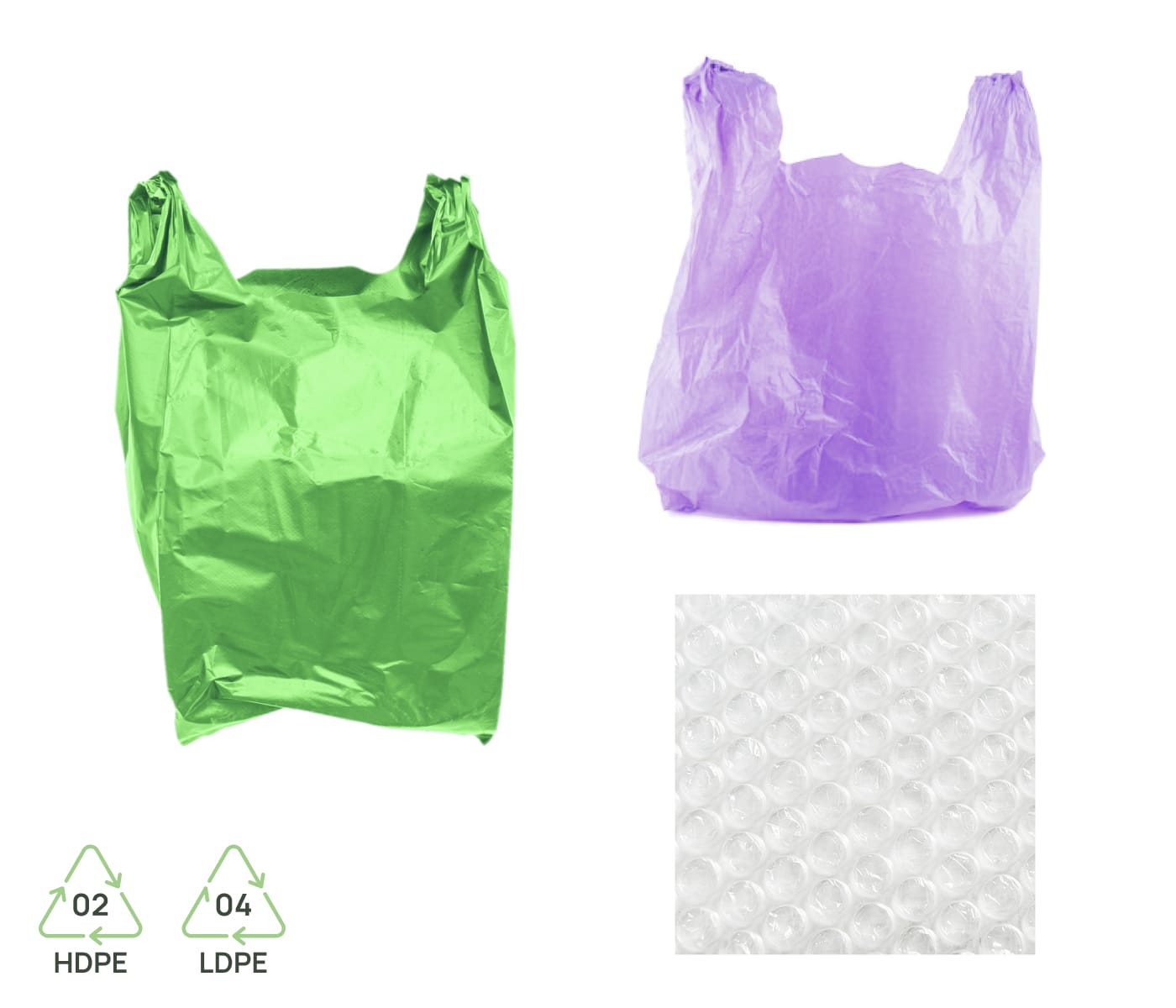
  • Soft 2/HDPE and 4/LDPE plastic
    Transparent membrane, powder bags, bags with handles, packing bags, postal bags, cosmetic packaging, zip-lock bags, bubble wrap.

NOT OK

  • Dirty plastic
    Plastic with food, drink, oil, or household chemical residues. This plastic must be rinsed before recycling.
  • “Biodegradable” bags
    So-called “biodegradable” bags contain additives that accelerate their breakdown into microplastics and contaminate recyclable materials. Learn more.
  • Balloons and latex
  • Soft 5/PP
    Packaging for cereals, snacks, bakery and confectionery products.

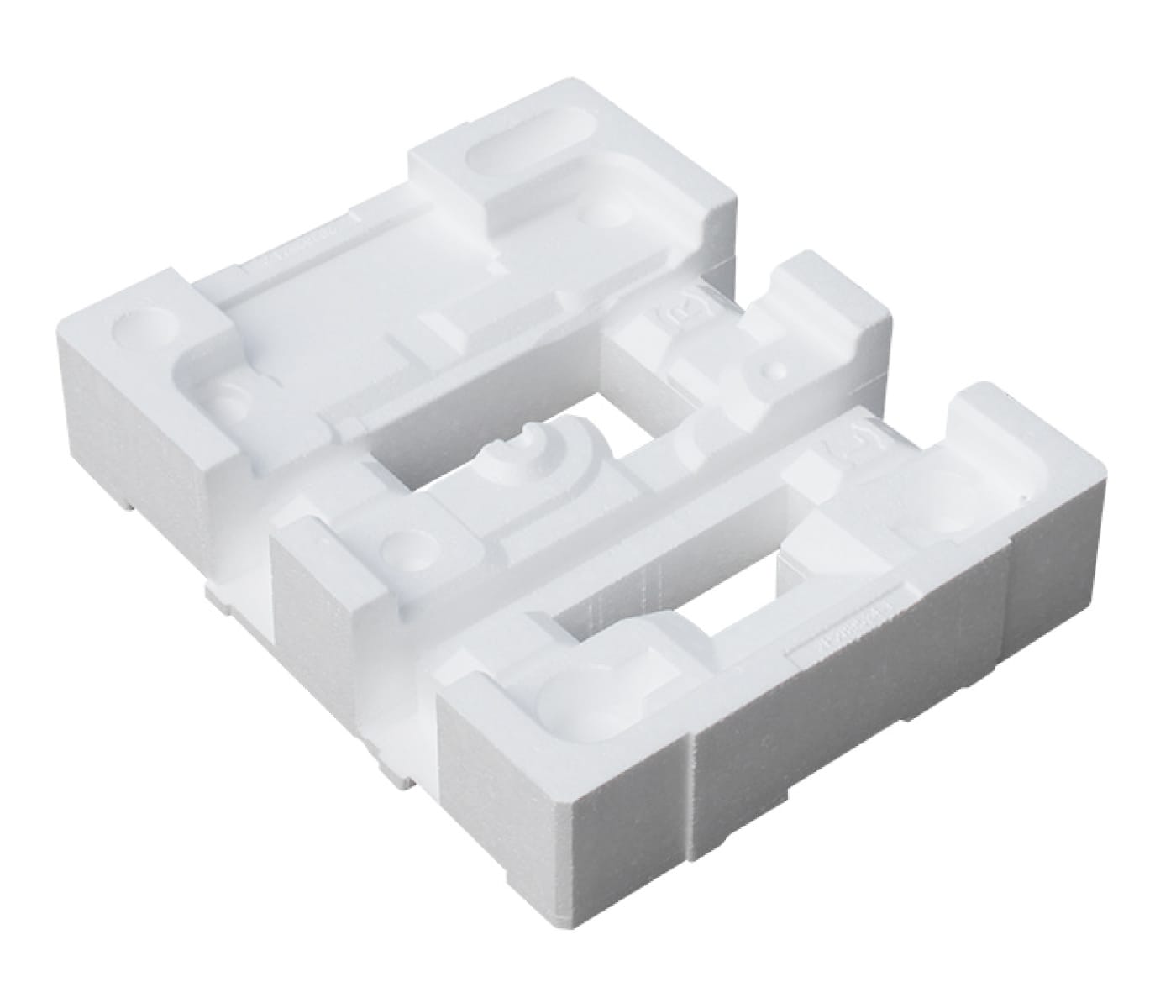
Polystyrene foam

Polystyrene foam

OK

  • Clean styrofoam, whether intact or damaged. It can be broken down for easier transportation
  • Polystyrene trays from vegetables, candies, and similar. Only clean ones!

NOT OK

  • Trays that contained meat, fish, or other wet products
  • \"Penoplex\" and other insulation materials made from extruded polystyrene

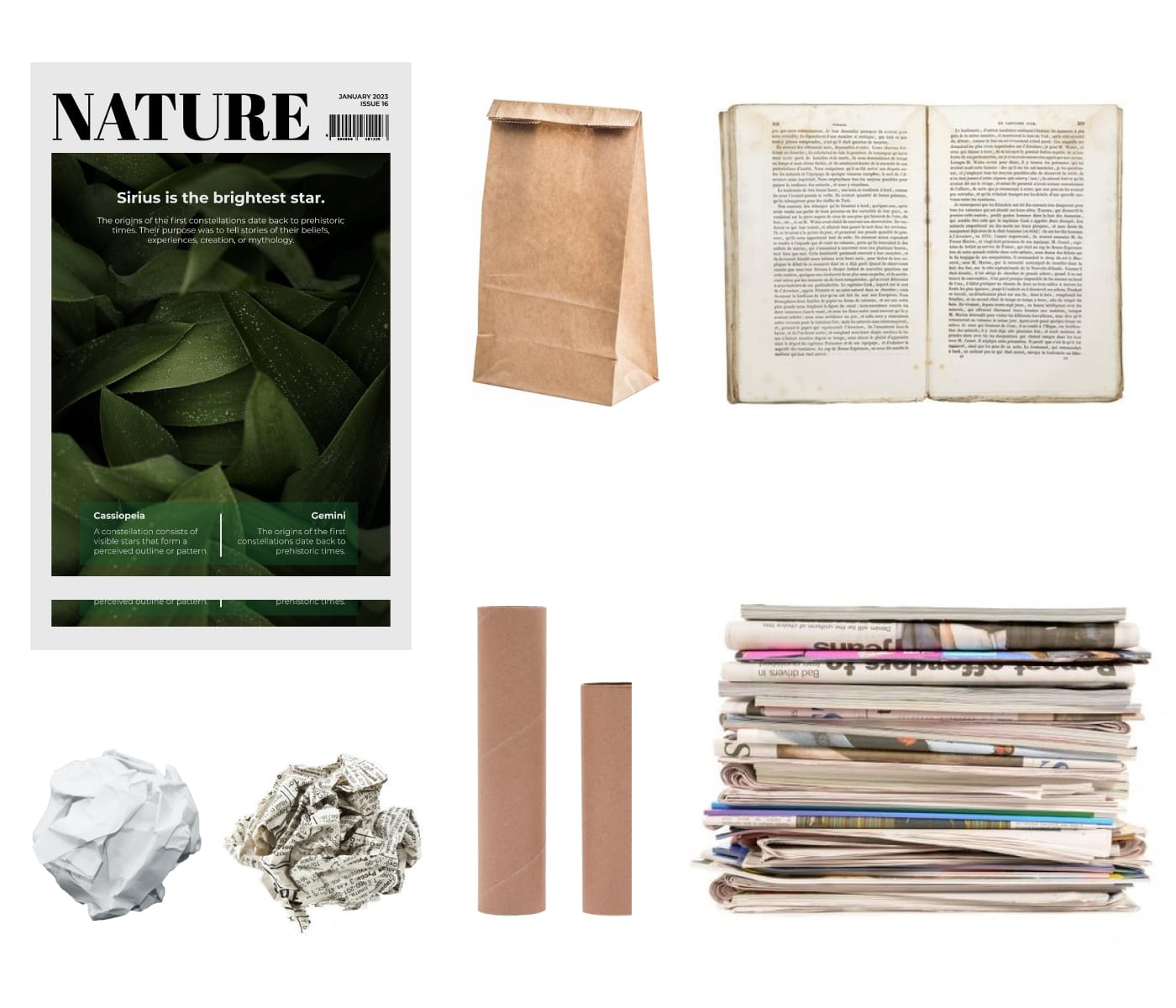
Paper

Paper

OK

  • Paper
  • Paper bags and kraft paper
    Paper bags, despite being recyclable, are not eco-friendly. Learn more.
  • Leaflets and brochures
  • Magazines and newspapers
  • Notebooks and albums
  • Cardboard
  • Egg trays
  • Any paper rolls

NOT OK

  • Greasy, oil-stained paper and cardboard
  • Laminated paper
    Laminated paper cannot be recycled as it is coated with a layer of plastic. How to check?
  • Tetrapak and similar
    Tetrapak and similar packaging consists of several layers of cardboard, polyethylene, and foil. Not paper waste!
  • Receipts
    Receipts are printed on thermal paper without using ink. It contains Bisphenol A — a substance safe in small concentrations, but contaminating raw materials during recycling. Previously, receipts were accepted at the Green Green Ecocenter, but now acceptance has been stopped.
  • Disposable "paper" cups for beverages and other tableware
    Disposable "paper" tableware is coated with a layer of plastic, so it cannot be recycled. Learn more.
  • Toilet paper, tissues and paper towels
    These products already consist of short and weak paper fibers. They cannot be recycled.
  • Baking paper, wallpaper, photos
    These types of paper cannot be recycled as they contain additives from silicone, plastic, glue, or other substances that contaminate raw materials.

How to prepare for recycling

  • Make boxes flat, fold compactly
  • Remove metal springs and plastic inclusions
  • Check the glossy paper for membrane by tearing it
  • Remove the tape
  • Tear off non-paper handles (strings, ribbons) from packages

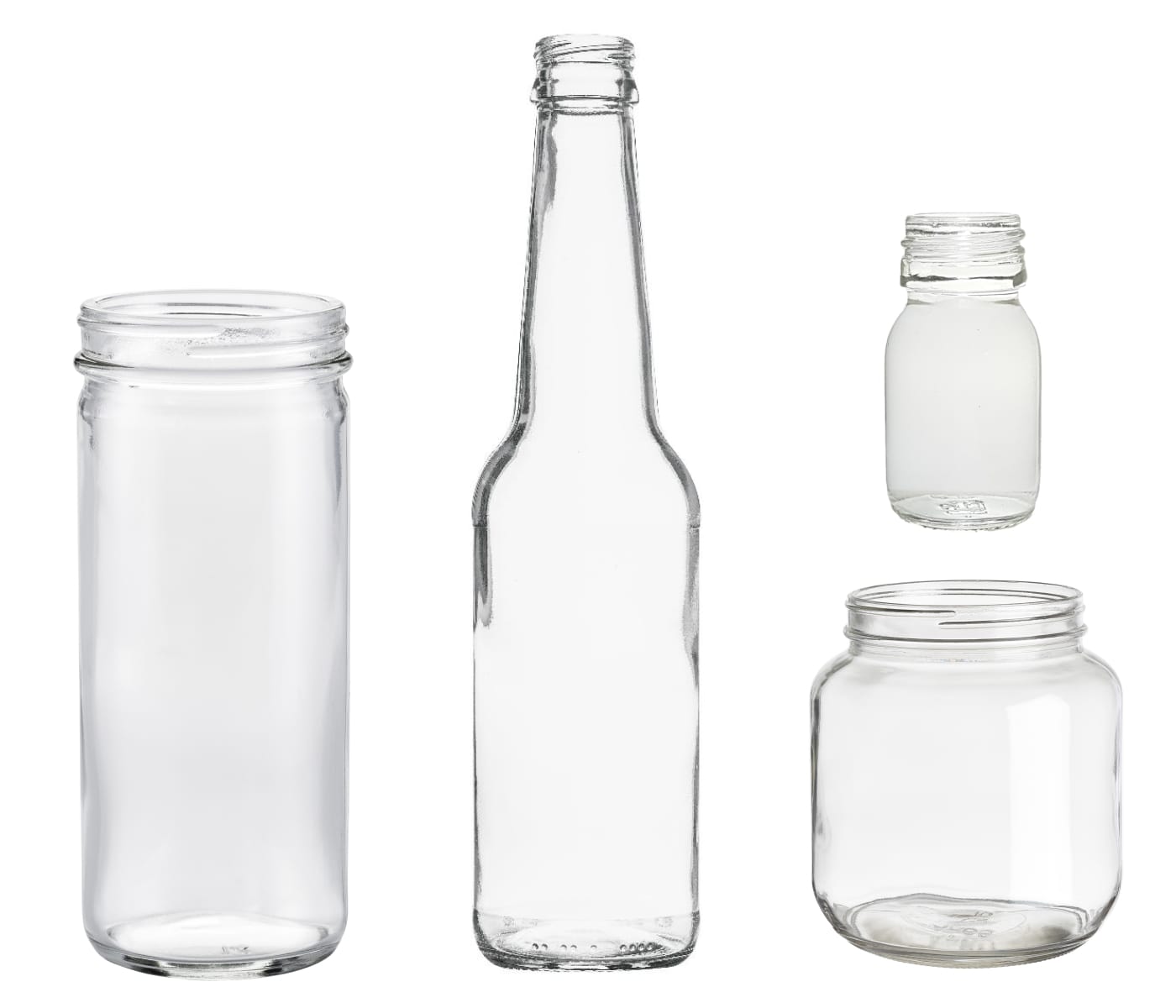
Glass

Glass

OK

  • Glass bottles and jars
  • Vials
  • Perfume bottles, deodorants
  • Glass tableware
  • Broken glass

NOT OK

  • Any bulbs
  • Ceramics and vases
  • Mirrors, decorative glass
  • Car windshields (triplex)

How to prepare for recycling

  • Rinse
  • Remove covers
  • It is NOT necessary to remove necks, labels, etc.

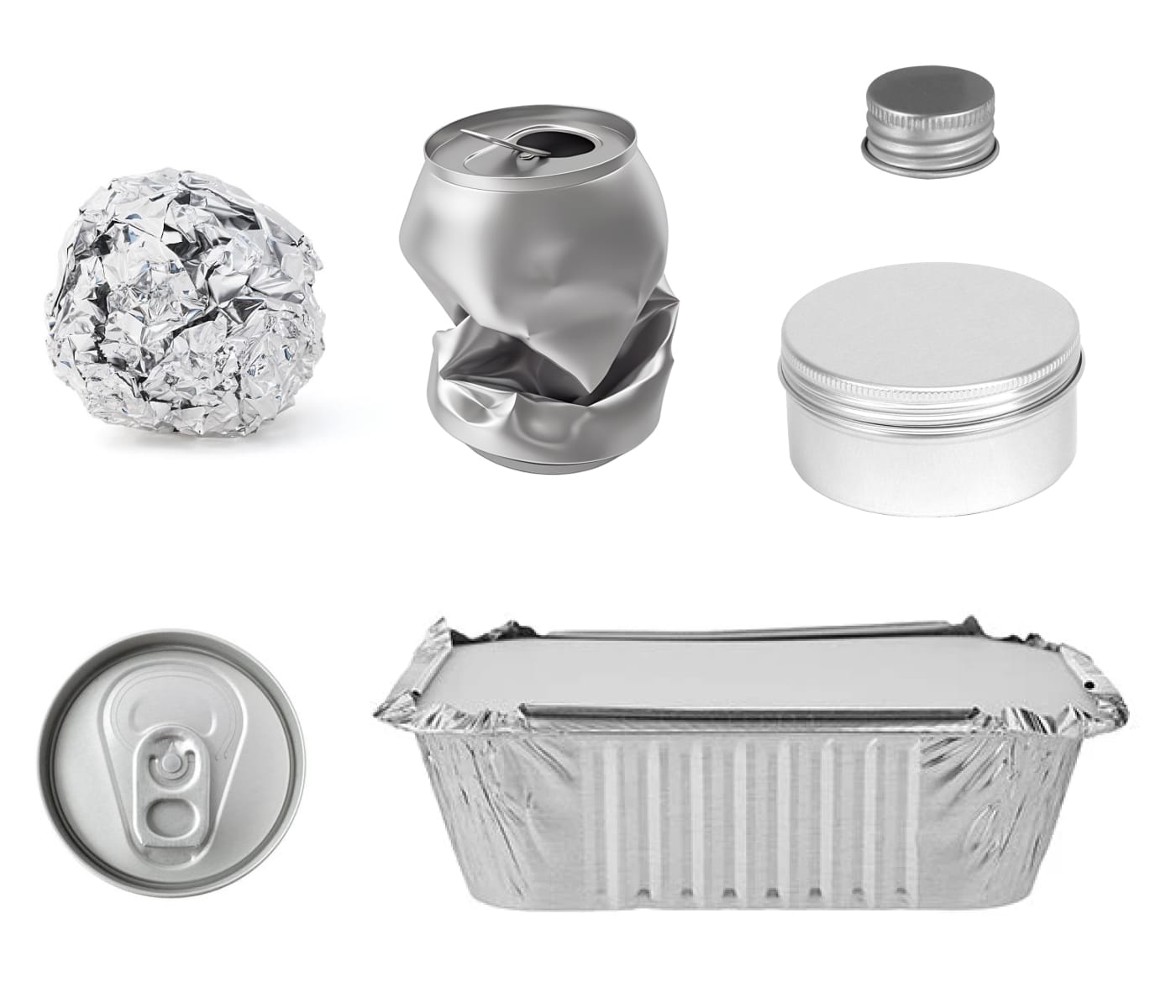
Aluminium

Aluminium

OK

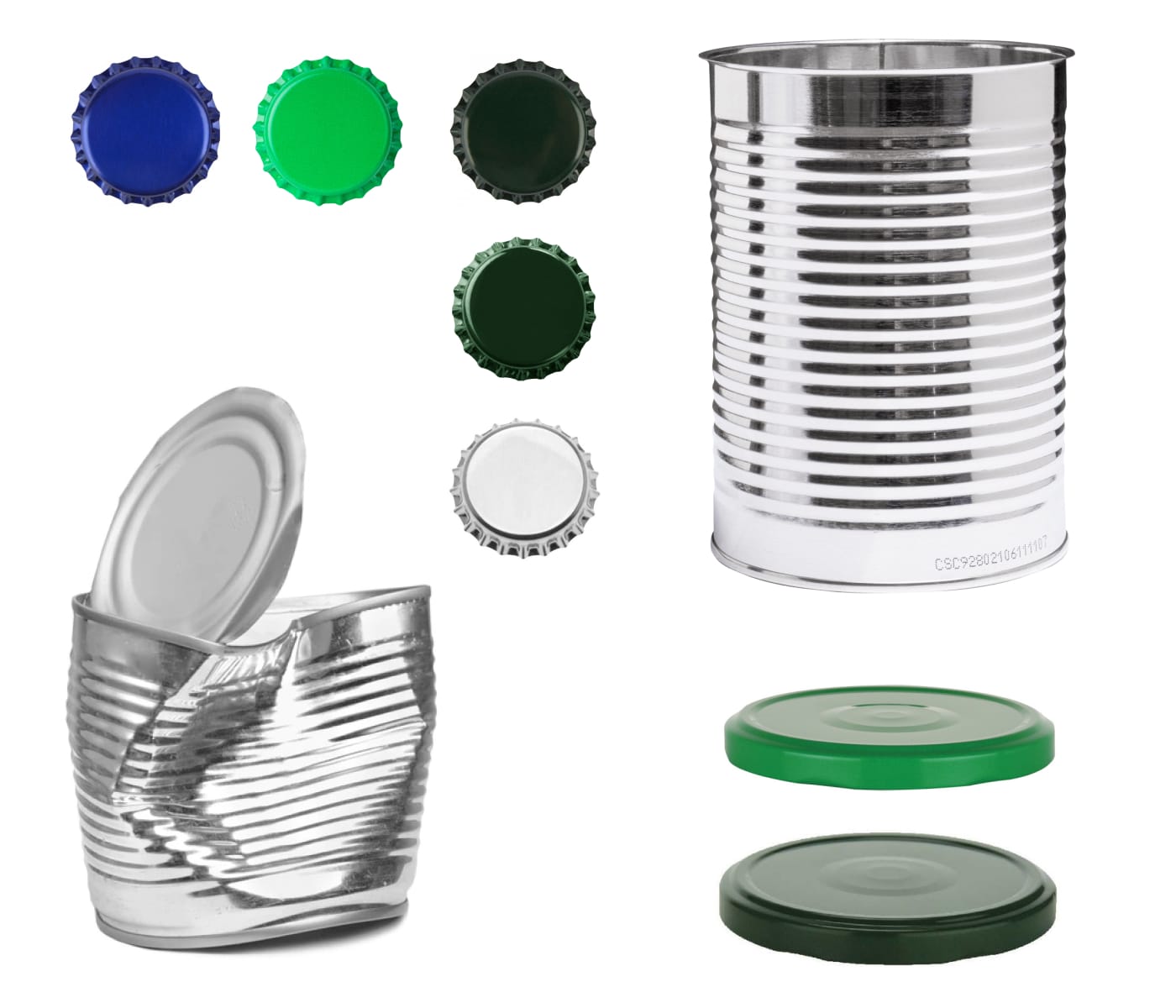
  • Aluminum cans for drinks
  • Aluminium lids
  • Aluminium foil
  • Aluminium food containers

NOT OK

  • Cans with traces of fat and food
  • Spray cans
  • Small metal objects
  • Large metal objects: dishes, plumbing fixtures and metal pipes and others

How to prepare for recycling

  • Rinse off traces of food and drinks
  • Squeeze

Tin

Tin

OK

  • Tin cans
  • Tin or other metal lids

NOT OK

  • Cans with traces of fat and food

How to prepare for recycling

  • Rinse off traces of food and drinks
  • Squeeze

Small fractions

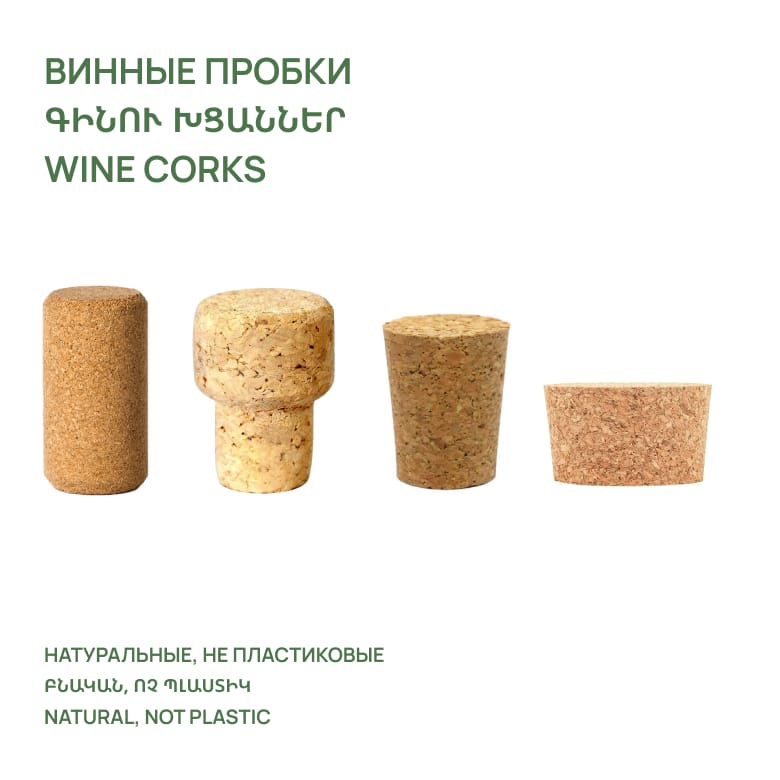
Wine corks
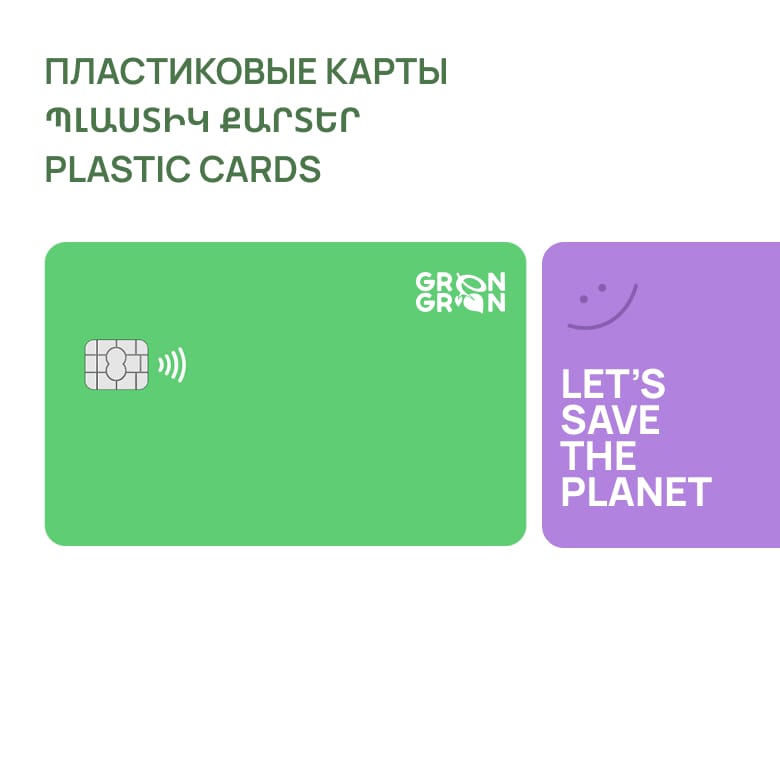
Plastic cards
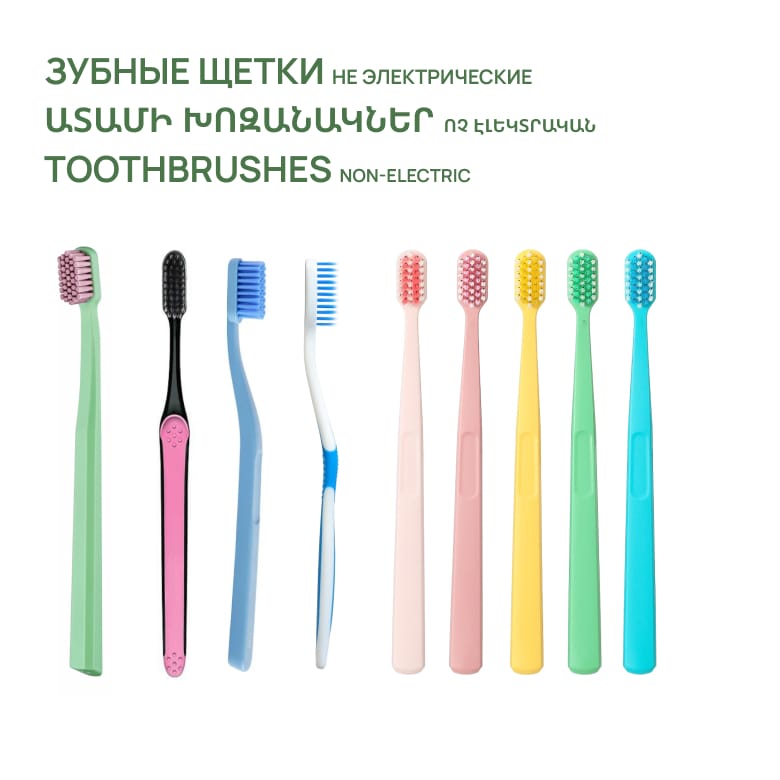
Plastic toothbrushes (non-electric)
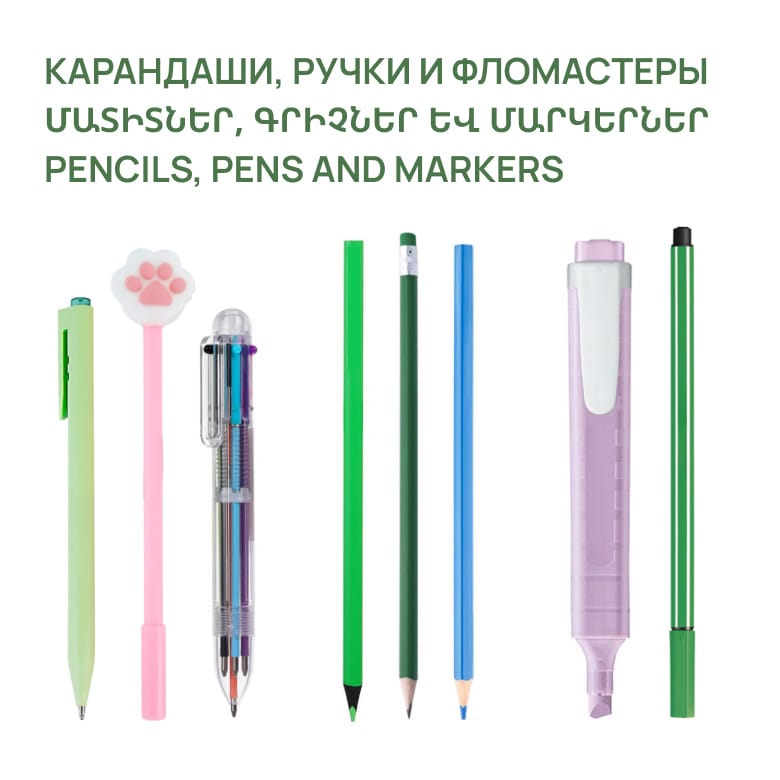
Pencils, pens, and markers (writing and depleted)
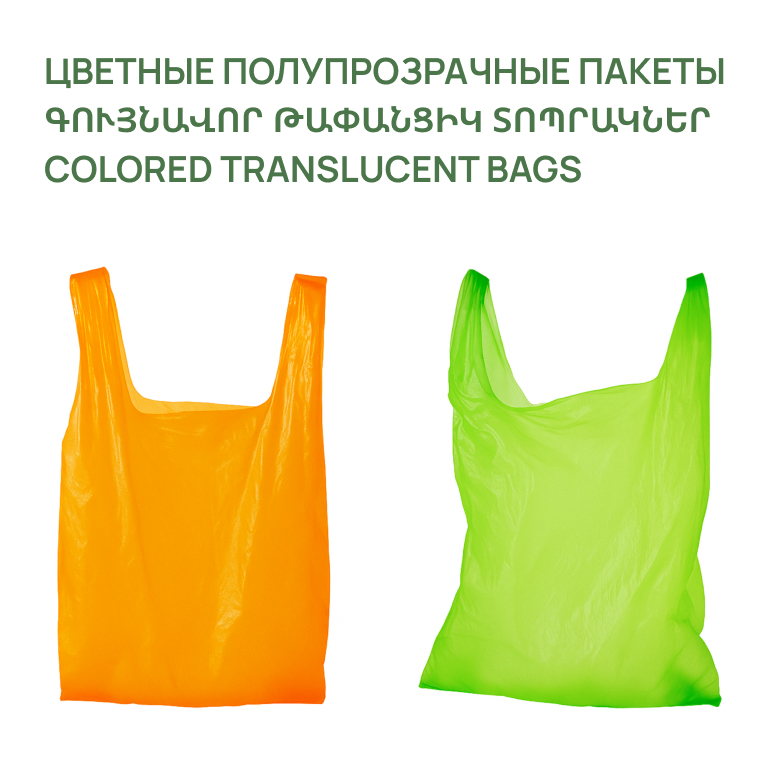
Colored translucent bags
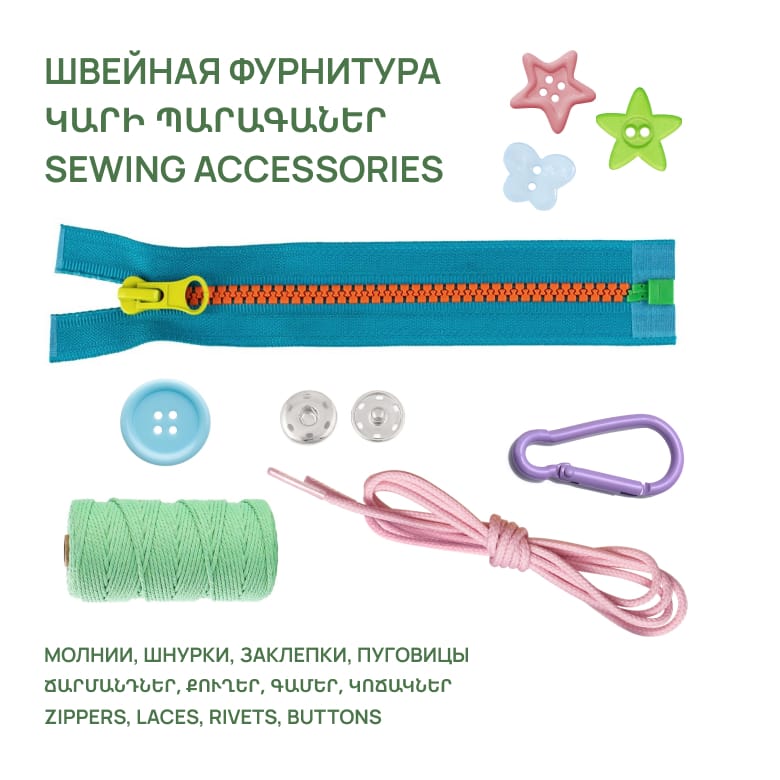
Sewing accessories (buttons, zippers, rivets, straps, etc.)
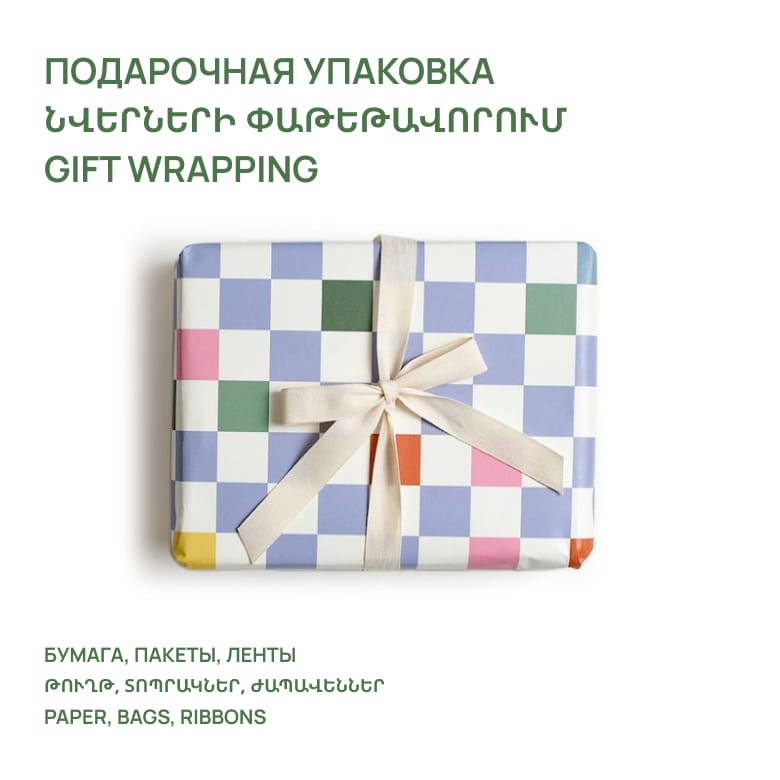
Gift packaging (paper, bags, ribbons)
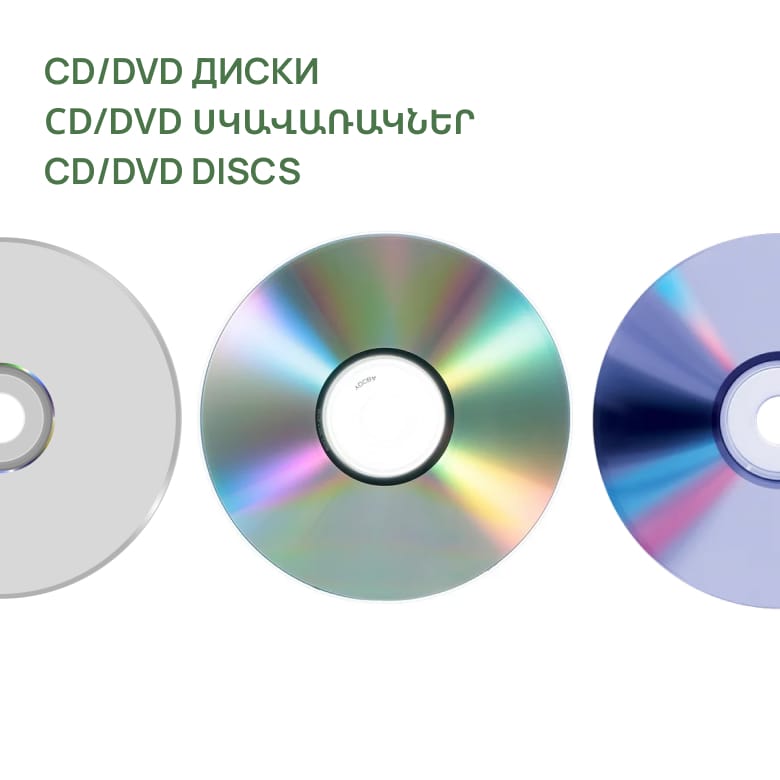
CD/DVD discs (w/o boxes)
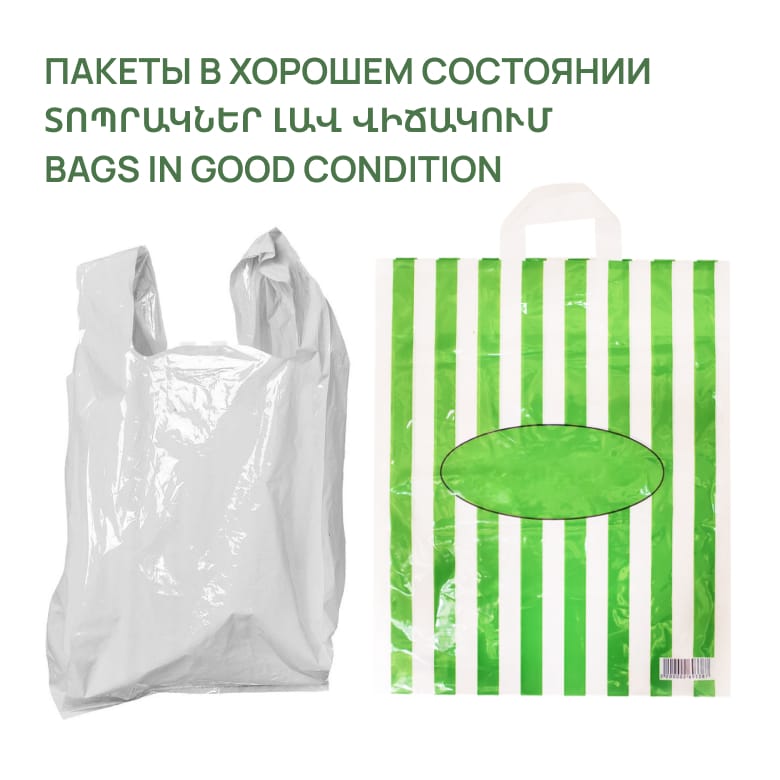
Bags in good condition (for reuse)
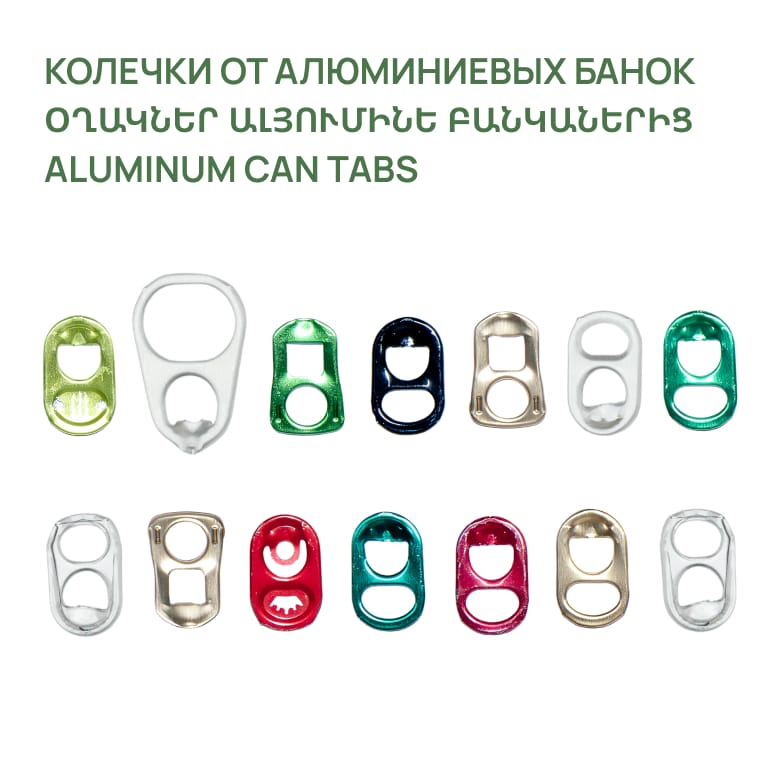
Soda can tabs
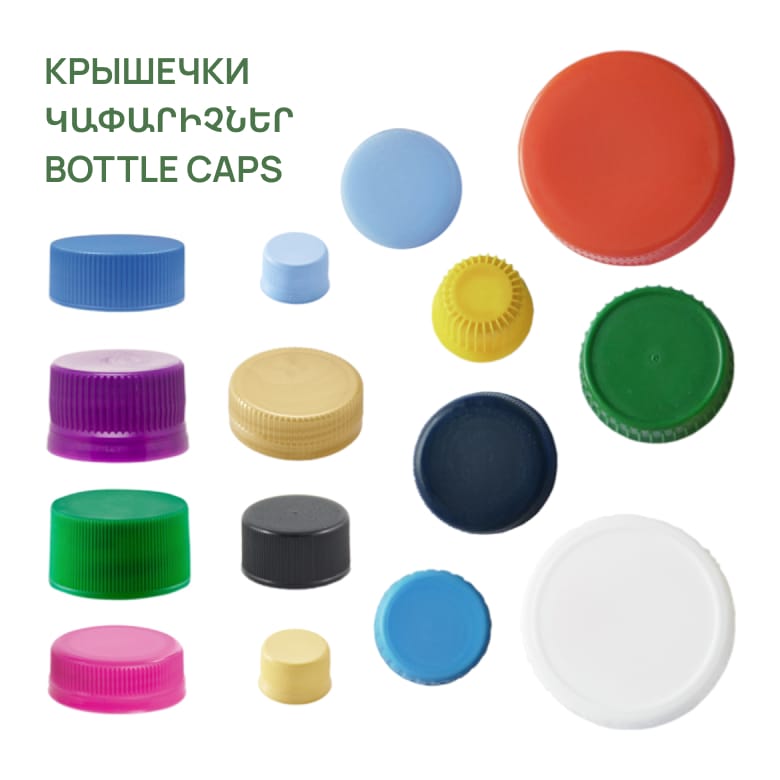
Plastic caps
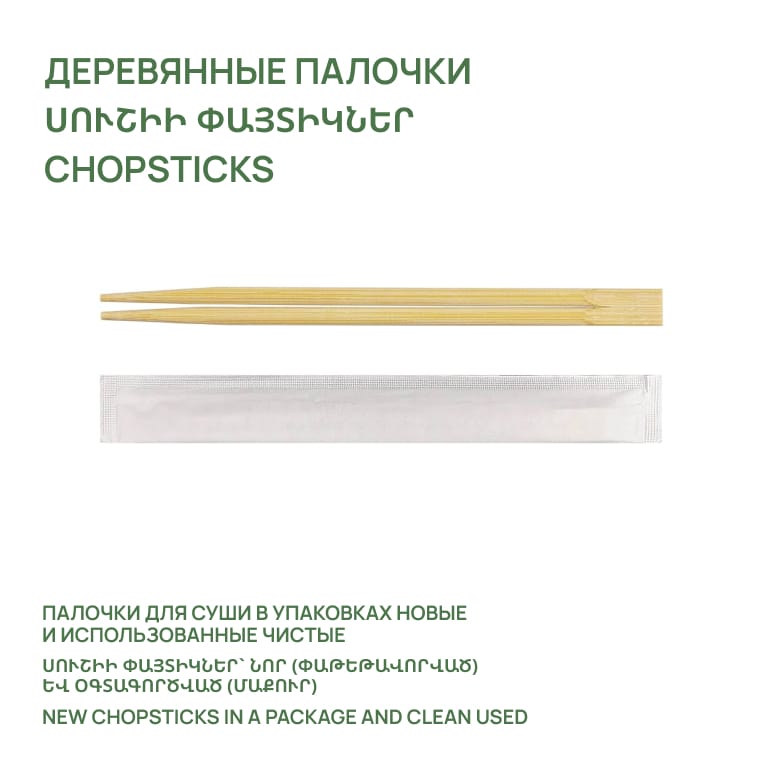
Wooden sushi sticks and ice cream sticks
  • Wine corks
  • Plastic cards
  • Plastic toothbrushes (non-electric)
  • Pencils, pens, and markers (writing and depleted)
  • Colored translucent bags
  • Sewing accessories (buttons, zippers, rivets, straps, etc.)
  • Gift packaging (paper, bags, ribbons)
  • CD/DVD discs (w/o boxes)
  • Bags in good condition (for reuse)
  • Soda can tabs
  • Plastic caps
  • Wooden sushi sticks and ice cream sticks

Organic Waste (Compost)

OK

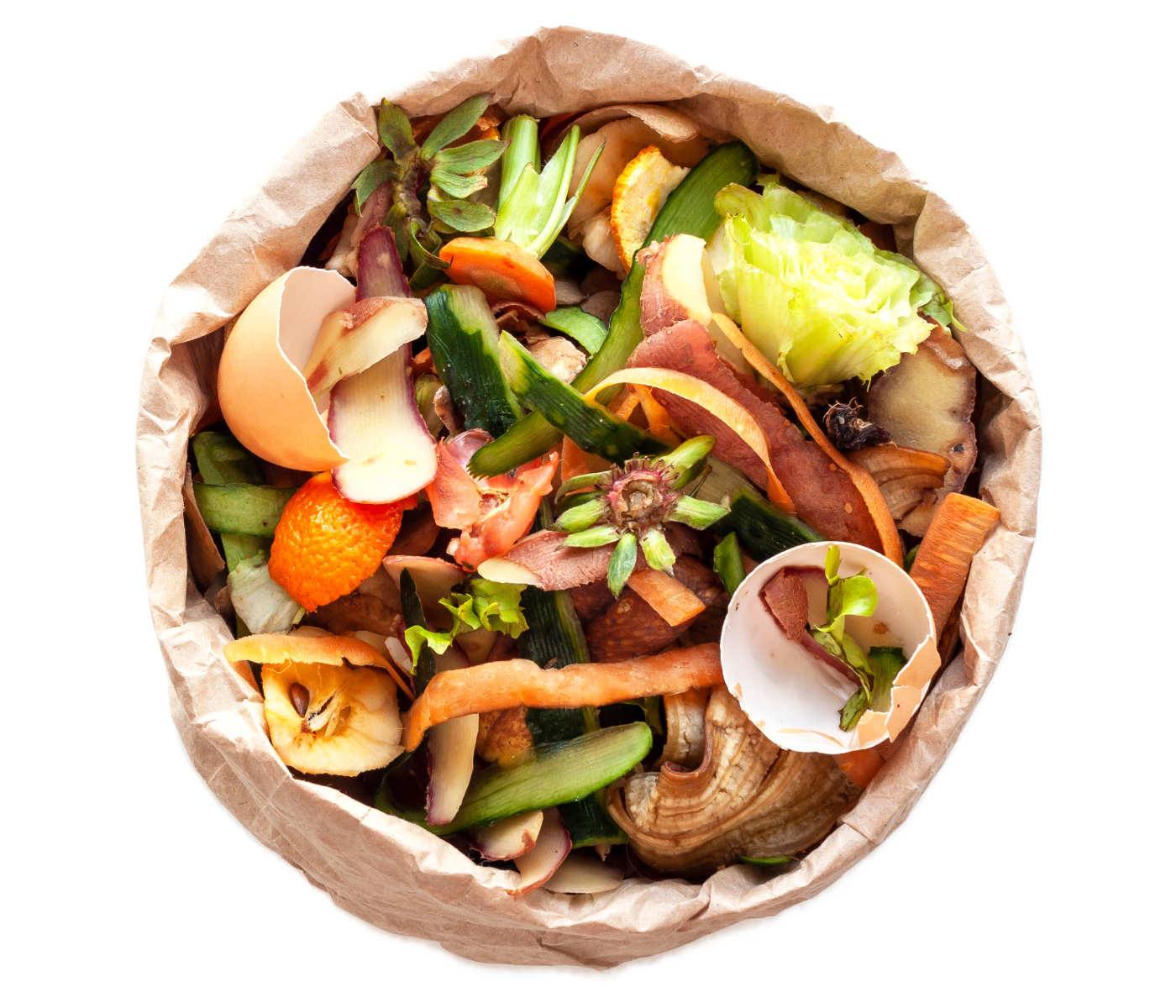
  • Vegetable waste - peelings, skins, cores, peels
  • Tea leaves (not bags) and coffee grounds
  • Citrus and pomegranate peels
  • Leftovers from compotes and jams
  • Nutshell
  • Stale bread
  • Clean wipes (not wet)
  • Toothpicks
  • Bamboo cotton swabs
  • Wooden ice cream sticks

NOT OK

  • Moldy organic waste
  • Food waste of animal origin
  • Dairy produce
  • Tea bags and labels
  • Leftover fatty and salty foods
  • Cereals, legumes, cereals, pasta
  • Fats and oils
  • Leaves and shoots of indoor plants
  • Old potting soil
  • Purchased flowers and bouquets
  • Glossy magazines and laminated paper
  • Pet waste and hair
  • Cardboard boxes contaminated with grease or oil

How to prepare for recycling

  • Bring organic waste in fresh, dried or frozen form

Electronics and household appliances

Electronics and household appliances
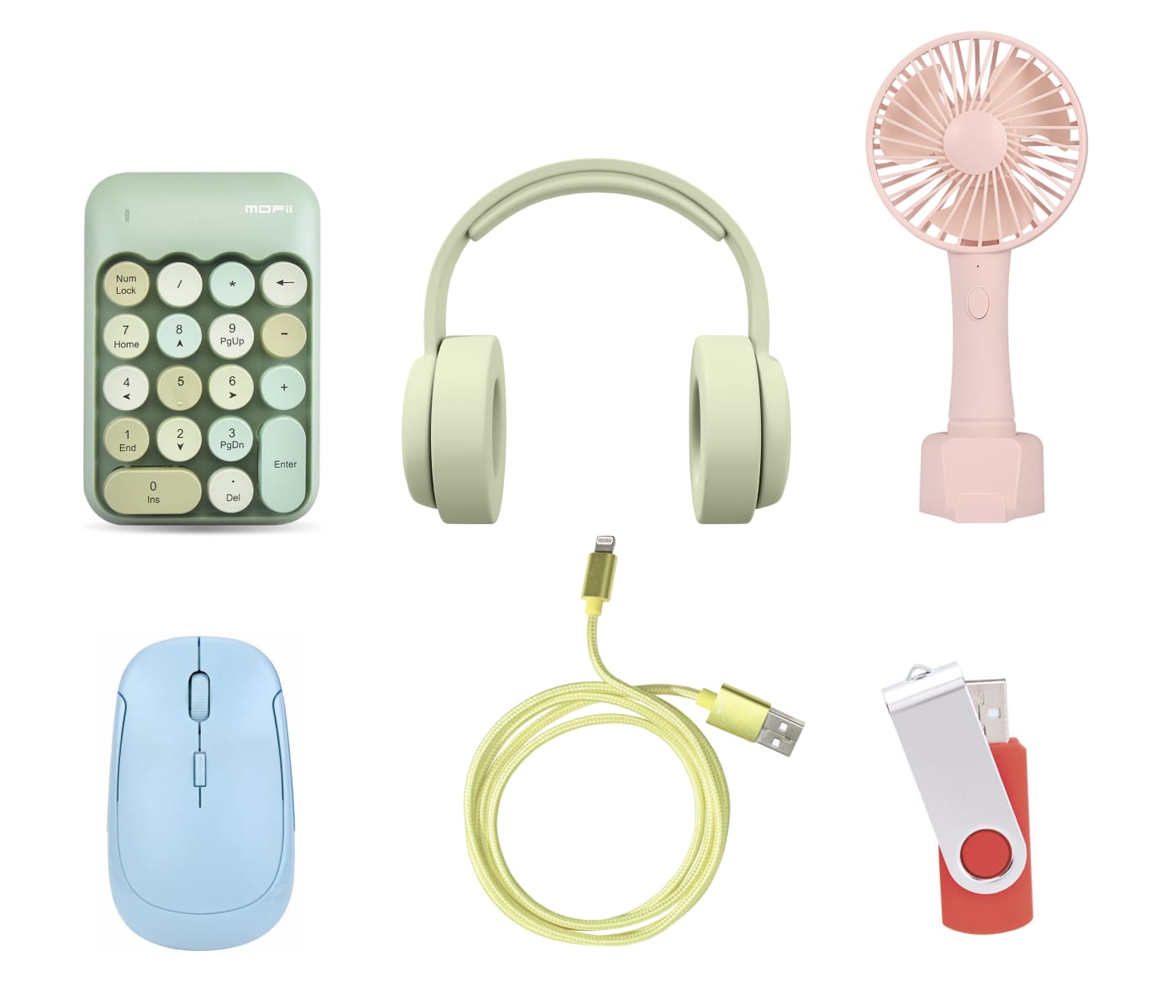
  • Electronics without batteries (small: wires, headphones, keyboards, electric kettles, toasters, blenders, etc.)
  • Electronics in working condition for sharing

Clothes and other textile

Clothes and other textile

OK

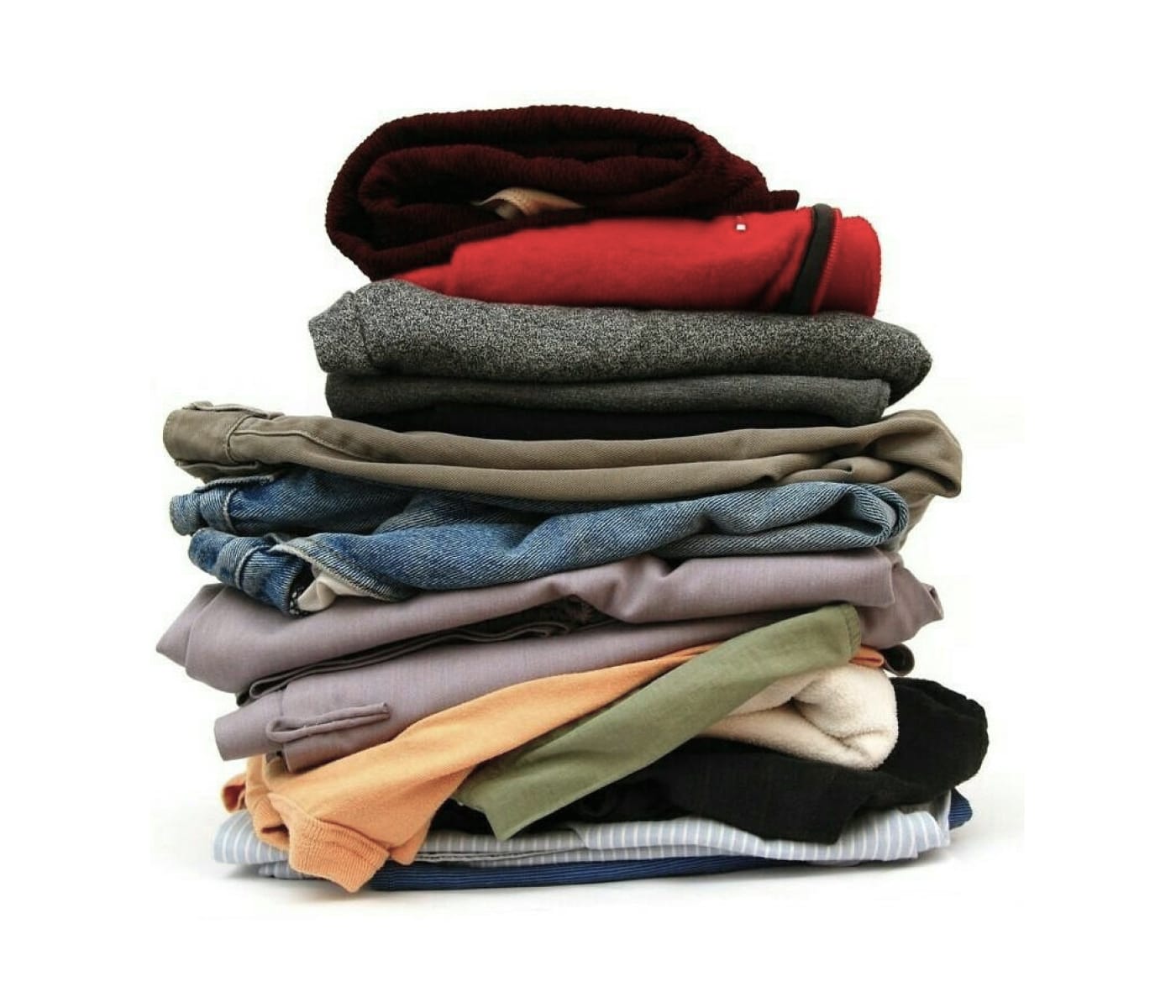
  • Clothes in good condition for sharing and charity
  • Blankets and bedspreads
  • Old bed linen

NOT OK

  • Underwear, socks, pantyhose
  • Dirty or oily textiles
  • Clothes in poor condition

Other items for reuse

Other items for reuse

OK

  • Shoes, bags and jewelry
  • Tableware, household items and decor
  • Books, stationery and arts and crafts supplies
  • Board games, puzzles, toys, sports equipment and pet supplies
  • Cosmetics, personal hygiene products and household chemicals
  • Other items — after checking with volunteers via the Ecocenter bot

NOT OK

  • Dirty or worn-out items, or items with stains, damage or unpleasant odors
  • Broken items or items with missing parts
  • Expired cosmetics, personal hygiene products and household chemicals
  • Food and medicines
  • Large items that do not fit on the shelves in the sharing area
Change Log
  • 08.08.2025 Stopped accepting plastic bottles for the BareWind project
  • 27.07.2025 Collection of non-bottle 1/PET plastic has been discontinued. Other types of plastic are accepted as usual.
  • 11.06.2025 We are now collecting thin colorful plastic bags to create an art piece
  • 11.06.2025 The collection of receipts for recycling has been temporarily suspended.
  • 05.04.2025 Corrected compost acceptance rules
  • 25.03.2025 Resumed the acceptance of organic waste for composting
  • 14.08.2024 Aluminum and tin are now collected in separate containers
  • 14.08.2024 Temporarily halted the acceptance of rags (textiles in poor condition)