
© Green Green, 2022-2026
Website developed by Anton Vlasov
So-called "biodegradable" and "oxo-degradable" bags are often perceived as an environmentally safe alternative to regular plastic bags. However, this is a myth — using such bags can harm the environment.
When these bags enter the recycling stream, they contaminate recyclable materials and make them unusable, so we recommend choosing reusable alternatives — cloth bags, shoppers, and other durable options. As a last resort, it's worth choosing regular plastic bags and recycling them.
Oxo-biodegradation is a method of "breaking down" regular plastic (polyethylene and polypropylene) using oxygen, light, and heat. Special chemical additives are added to the plastic, causing the material to crumble into small pieces over time. This process is related to the concept of biodegradation, but it's important to understand: first, chemical breakdown occurs, not decomposition by bacteria.
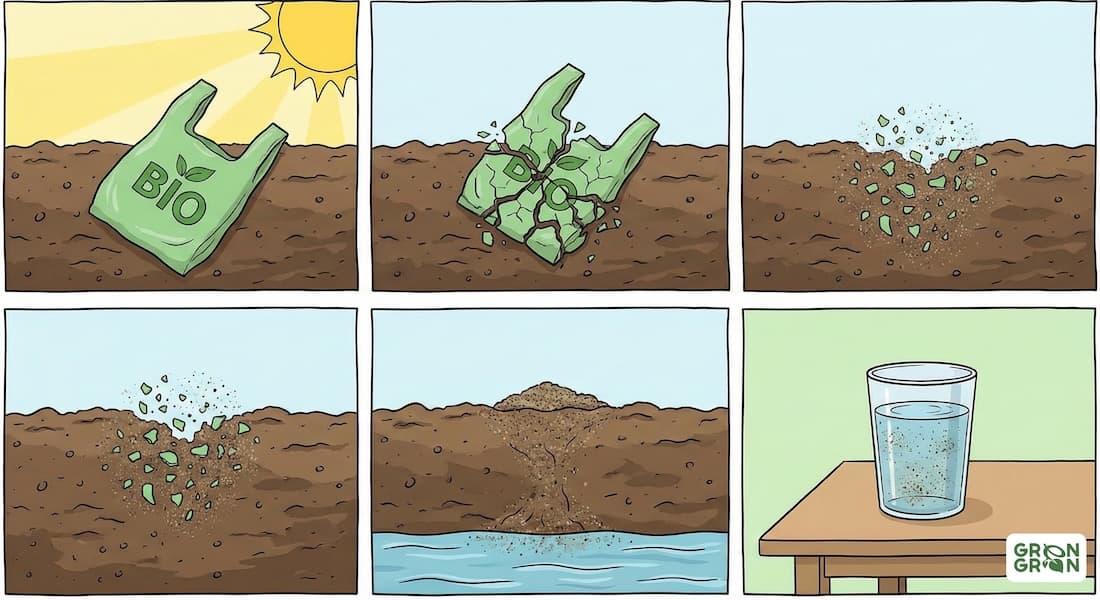
The problem is that in practice, such plastic doesn't disappear completely but turns into microplastic. Microplastic doesn't decompose quickly, accumulates in nature, enters water, soil, animals, and ultimately — humans.
Therefore, many countries have started moving away from oxo-biodegradable plastic. In 2019, the European Union banned such products as part of the directive on single-use plastic. Instead, today they focus either on truly biodegradable materials for compost, or on separate collection and recycling of regular plastic.
Biodegradable bags made from PLA and similar materials are often presented as an eco-friendly alternative to regular plastic. PLA is made from corn starch or sugarcane, and it's believed that it should decompose naturally. However, in reality, such materials only decompose under industrial composting conditions — at high temperature, humidity, and with oxygen access.

These conditions don't exist in Armenia. In regular landfills, PLA bags lie without oxygen access, at low humidity and unstable temperature, so they practically don't decompose. Over time, they behave almost the same as regular plastic: slowly break down into fragments and can turn into microplastic. At the same time, in recycling, they also create problems by contaminating recyclable materials.
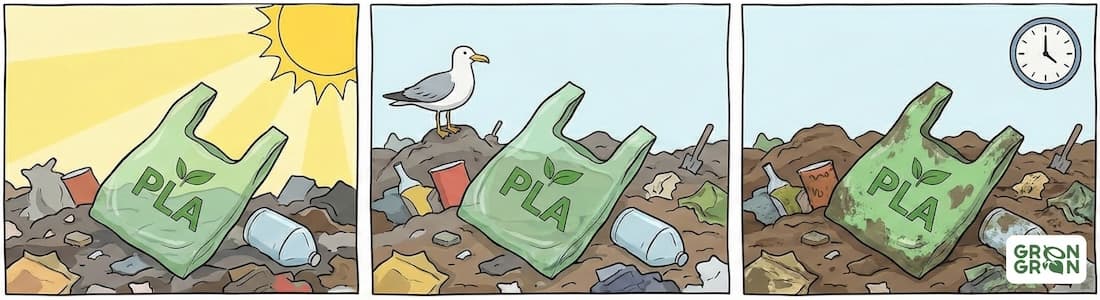
Therefore, in reality, PLA bags in Armenia are not yet a sustainable solution. The most reliable options remain reusable bags, as well as regular plastic bags that can actually be recycled. This provides real environmental benefits right now.